
How Hard Water Issues Can Lead to Plumbing Leaks in San Diego Homes
- December 13, 2025
- byadmin
- Flood Restoration
In San Diego, we’re lucky to enjoy sunshine, coastal breezes, and a beautiful climate. But beneath this idyllic lifestyle, many homeowners face a hidden issue that could be threatening their homes over time—hard water. While it may not seem like a major concern at first, hard water can slowly wreak havoc on your plumbing system and eventually cause costly leaks and water damage.
At RAMM Water Restoration, we’ve helped countless San Diego families deal with the aftermath of leaks caused by hard water damage. What sets us apart is not just our technical expertise, but our compassionate approach. We understand that water damage is more than just a mess—it’s a disruption to your life, your comfort, and your peace of mind.
We'll explain what hard water is, how it contributes to plumbing leaks, and what you can do to prevent these issues in your San Diego home.
What Is Hard Water?
Hard water is water that contains high levels of dissolved minerals—primarily calcium and magnesium. These minerals are naturally picked up as water flows through soil and rock. In Southern California, including San Diego, hard water is extremely common due to the region’s geology and water sources.
Hard water is not harmful to drink, but it can cause a variety of problems around the home, especially for your plumbing system.
How Hard Water Affects Your Plumbing
The minerals in hard water don't just pass through your plumbing—they stick around, accumulating over time in pipes, joints, and appliances. This mineral buildup is known as scale or limescale, and it can cause significant issues if left untreated.
Here’s how hard water can lead to plumbing leaks:
1. Pipe Narrowing and Blockages
As minerals accumulate inside pipes, the diameter through which water can flow becomes narrower. This creates increased water pressure, which stresses pipe joints and connections. Eventually, this pressure can cause pipe ruptures or leaks—especially in older plumbing systems.
2. Corrosion of Pipe Materials
Hard water doesn’t only cause blockages—it can also accelerate corrosion, especially in copper or galvanized steel pipes. When limescale builds up, it creates tiny areas where water can’t flow freely, leading to stagnation and localized corrosion. Over time, this corrosion weakens the pipes and leads to pinhole leaks or larger failures.
3. Damage to Water-Using Appliances
Dishwashers, water heaters, washing machines, and even coffee makers can suffer from hard water. When these appliances are affected, leaks can occur at connection points, hoses, or internally—sometimes leading to hidden water damage behind walls or under floors.
4. Stress on Water Heaters
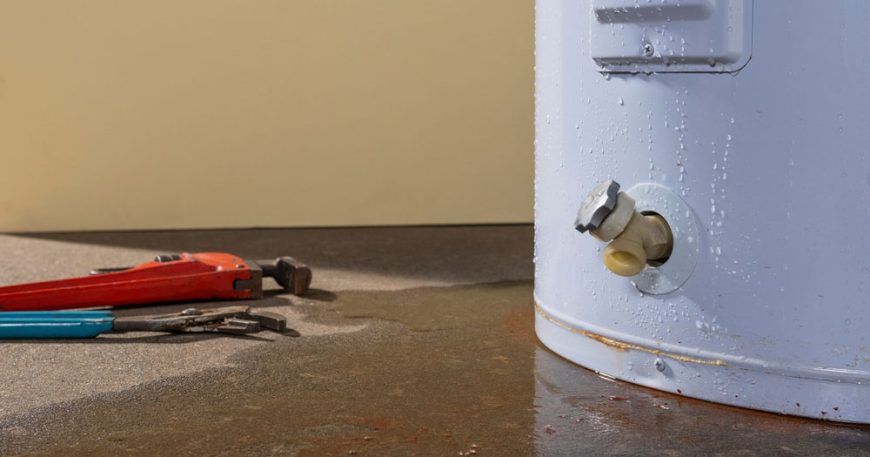
In hard water conditions, sediment and mineral buildup in your water heater’s tank can reduce efficiency and cause overheating. This heat and pressure increase the risk of leaks or even tank failure. Leaks near or beneath a water heater are often the first sign of long-term hard water damage.
5. Worn-Out Seals and Gaskets
Scale buildup doesn’t just stick to pipes—it also forms around faucet washers, toilet seals, and appliance valves. This can cause leaks in toilets, under sinks, or inside walls when connections degrade or seals wear out.
Why This Matters in San Diego Homes
San Diego's water is classified as very hard, often measuring over 270 parts per million (ppm) of mineral content. With prolonged exposure, homes throughout the region—especially older properties—are more likely to experience the long-term effects of hard water on their plumbing systems.
If your home hasn’t been updated with water-softening solutions or upgraded plumbing, you may already be at risk. Many homeowners don’t realize there’s an issue until a leak appears—and by then, water may have seeped into drywall, ceilings, or floors, causing extensive damage and mold growth.
Signs That Hard Water Might Be Damaging Your Plumbing
Be on the lookout for these early warning signs:
- White or chalky residue on faucets and showerheads
- Slow water flow from taps
- Sudden drop in water pressure
- Frequent clogs or backups
- Unexplained spikes in your water bill
- Water spots on dishes and glassware
- Leaks or moisture under sinks, near water heaters, or around toilets
Catching these indicators early can help you take proactive steps before major water damage occurs.
How to Prevent Hard Water Leaks
Install a Water Softener
This is the most effective solution for protecting your plumbing system from hard water. A whole-house water softener removes excess minerals before they enter your pipes.
Regular Plumbing Inspections
Have a plumber inspect your system annually for early signs of scale buildup or corrosion, especially if you live in an older home.
Descale Appliances
Use descaling solutions on dishwashers, water heaters, and faucets periodically to prevent buildup and extend appliance lifespan.
Monitor for Leaks
Check around water-using appliances and under sinks for any signs of slow leaks or moisture. Catching a small drip early can save you thousands in repairs.
How we can help
At RAMM Water Restoration, we’re not just experts in water and mold damage—we’re experts in helping people through one of the most stressful moments a homeowner can experience. Whether your plumbing leak was caused by hard water, a burst pipe, or appliance failure, we show up with compassion, professionalism, and a plan to make things right.
We proudly serve San Diego homeowners with:
- 24/7 emergency water damage response
- Advanced moisture detection and leak assessment
- Mold remediation and prevention
- Thorough drying and restoration services
- Friendly, compassionate service from start to finish
We know this isn’t just about pipes and drywall—it’s about protecting your family’s home and peace of mind. If you suspect hard water has caused damage or you’ve discovered a leak, let us step in with the care and experience that sets us apart.
Contact RAMM Water Restoration today—your trusted partner in turning damage into recovery.



Categories
Recent Posts

How to Document Water Damage for Insurance Claims