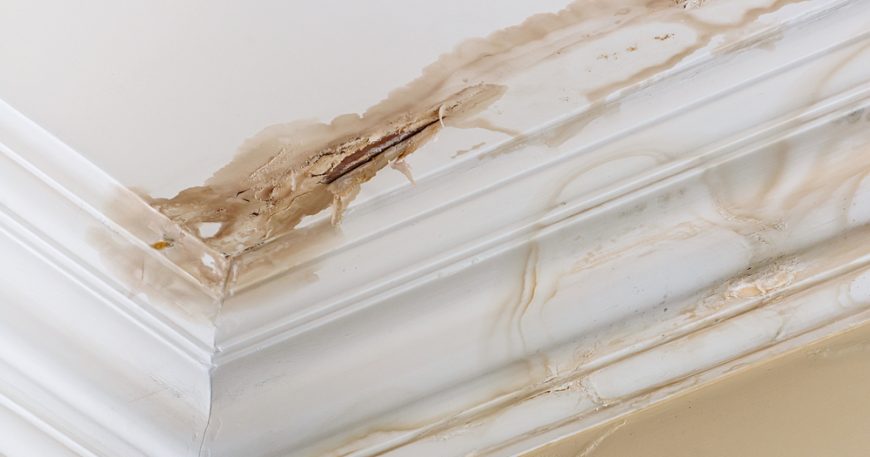
Water damage can happen suddenly, whether from a burst pipe, roof leak, overflowing appliance, flooding, or fire suppression efforts. One of the biggest concerns after water damage is mold growth. Many property owners are surprised by how quickly mold can begin developing once moisture enters walls, flooring, ceilings, or other building materials.
Understanding how mold develops after water damage can help homeowners and business owners take fast action before the problem becomes more serious. At RAMM Water Restoration, we help San Diego clients with flood damage restoration, fire-related water damage cleanup, and mold remediation. We also understand how stressful these situations can feel, which is why we focus on treating every customer with compassion, friendliness, and support throughout the restoration process.
How Fast Can Mold Grow After Water Damage?
Mold can begin growing surprisingly fast after water damage occurs. In many situations, mold growth may start within 24 to 48 hours when moisture is present and conditions are favorable. Damp materials such as drywall, carpet, insulation, wood, ceiling tiles, and fabric can create an environment where mold spores begin to spread.
Mold spores naturally exist in the environment, both indoors and outdoors. When excess moisture enters a property, those spores can settle onto damp surfaces and begin growing. This is why fast drying and professional water damage restoration are so important.
What Conditions Allow Mold to Grow?
Mold thrives in damp, humid environments where moisture remains trapped for extended periods. Water damage creates ideal conditions for growth, especially when materials do not dry completely.
Common conditions that contribute to mold growth include:
Standing water after flooding
Hidden moisture behind walls
Wet carpet and padding
Roof leaks
Poor ventilation
High indoor humidity
Leaks beneath sinks or appliances
Slow plumbing leaks that go unnoticed
Even small amounts of moisture can become a problem if they are not addressed properly. A small leak hidden behind drywall may remain unnoticed until mold odors or visible damage begin appearing.
Why Fast Water Damage Restoration Matters
The longer water sits, the greater the risk of mold growth and structural damage. Fast water extraction and drying help reduce the amount of moisture absorbed into building materials. Professional restoration teams use specialized equipment designed to remove water and monitor hidden moisture levels.
At RAMM Water Restoration, we know that many clients feel overwhelmed after discovering water damage. Our compassionate approach helps property owners feel informed and supported while we work to restore the affected areas.
Where Mold Commonly Grows After Water Damage
Mold does not only grow in visible areas. It can spread inside walls, under flooring, inside cabinets, behind baseboards, and above ceilings. Some of the most common locations for mold after water damage include:
Drywall and insulation
Carpet and carpet padding
Wood flooring and subflooring
Bathrooms with poor ventilation
Attics with roof leaks
Areas around plumbing fixtures
HVAC systems exposed to moisture
Hidden mold growth is one reason professional inspections are often recommended after flooding or leaks. A surface may appear dry while moisture remains trapped underneath.
Signs Mold May Be Growing After Water Damage
Not all mold problems are immediately visible. Some warning signs may appear gradually after a leak or flood event.
Common signs include:
Musty or damp odors
Discoloration on walls or ceilings
Warping or bubbling paint
Persistent moisture or dampness
Dark spots around baseboards or corners
Peeling wallpaper or paint
If a property recently experienced water damage and any of these signs appear, it may be time to contact a restoration professional for evaluation.
Can Mold Grow After Small Leaks?
Yes, mold can grow even after a small leak. Many serious mold problems begin with slow plumbing leaks or hidden moisture that remains untreated for long periods. Because the leak develops gradually, property owners may not notice the issue until mold has already spread.
Leaks beneath sinks, inside walls, behind refrigerators, or around windows are common examples. These situations may seem minor at first but can create long-term moisture exposure that allows mold to develop.
Flood Damage and Mold Concerns
Flood damage significantly increases the risk of mold growth because water often affects large areas at once. Floodwater may soak into flooring, walls, furniture, cabinets, and personal belongings. If drying does not begin quickly, mold may begin spreading throughout the affected spaces.
Flood damage can also involve contaminated water, depending on the source. Storm flooding, sewage backups, and standing water may contain bacteria and debris that require specialized cleanup procedures.
Professional flood damage restoration helps remove water, dry the structure, sanitize affected areas, and reduce the chance of future mold problems.
Fire Damage Can Also Lead to Mold Problems
Many people associate mold with flooding or plumbing leaks, but mold can also develop after a fire. Firefighters often use large amounts of water to extinguish flames, leaving moisture behind throughout the property.
If the water from firefighting efforts is not dried properly, mold growth can begin in affected materials. Fire restoration may involve water extraction, structural drying, smoke cleanup, odor removal, and mold prevention efforts at the same time.
How Professional Mold Remediation Helps
Mold remediation involves more than simply wiping down visible mold. The process typically includes identifying moisture sources, containing affected areas, removing damaged materials when necessary, cleaning impacted surfaces, and improving drying conditions.
Professional restoration teams also use moisture detection tools to locate hidden damp areas that may not be visible. Proper remediation helps reduce the chance of recurring mold problems.
At RAMM Water Restoration, we help clients understand what is happening inside the property so they feel less anxious during the restoration process. Our team combines technical expertise with compassionate customer care because we know these situations can disrupt daily life and create emotional stress.
How to Reduce the Risk of Mold After Water Damage
Taking fast action after water damage is one of the most important ways to reduce mold risks. Property owners should avoid waiting to see if the area dries on its own.
Helpful steps include:
Stopping the water source if possible
Removing standing water quickly
Improving airflow and ventilation
Removing wet materials when necessary
Calling a professional restoration company
Monitoring hidden moisture levels
Professional drying equipment is often much more effective than household fans or basic cleanup methods, especially after major leaks or flooding.
Why Compassion Matters During Restoration
Water damage and mold concerns affect more than the structure itself. Homeowners and business owners may feel frustrated, worried, or emotionally exhausted during the cleanup process. Restoration should not feel cold or impersonal.
At RAMM Water Restoration, we believe compassion and communication matter just as much as technical restoration work. We take time to answer questions, explain the process clearly, and help clients feel supported from start to finish.
How we can help
RAMM Water Restoration helps San Diego homeowners and businesses recover from water damage, flooding, fire-related water damage, and mold problems. Whether you are dealing with a recent leak, hidden moisture, or visible mold growth, our team provides compassionate support and professional restoration services. We respond quickly, treat our customers with kindness and respect, and work hard to restore both the property and peace of mind during difficult situations.