
How to Spot Water Damage in Ceilings Before It Gets Worse
- December 12, 2025
- byadmin
- Flood Restoration
Water damage can be sneaky. It often starts small—just a minor stain or a soft spot—but if left unchecked, it can turn into serious structural problems, mold infestations, or even collapse. For homeowners in San Diego, where sudden rainstorms, plumbing leaks, or coastal humidity can all lead to moisture issues, learning how to identify ceiling water damage early is essential.
At RAMM Water Restoration, we’ve seen the stress water damage can cause for families. That’s why we approach every client with compassion and friendliness—restoring not just homes, but peace of mind. We'll guide you through how to spot ceiling water damage before it gets worse, what causes it, and when to call in professionals for help.
Why Ceiling Water Damage Is So Dangerous
Water damage in ceilings is often hidden until it becomes a visible problem. Unlike floor or wall damage, water that collects above you is working with gravity, meaning it will eventually find a way to travel downward—causing greater damage to walls, fixtures, floors, and even electrical systems. Early detection is crucial to avoid expensive repairs and health risks like mold exposure.
Common Causes of Water Damage in Ceilings
Understanding what causes ceiling water damage can help you take preventive steps. Common culprits include:
- Roof Leaks – Broken shingles, cracked flashing, or clogged gutters can let rainwater into your attic.
- Plumbing Leaks – Pipes running through the ceiling, especially in second-floor bathrooms or laundry rooms, can burst or leak.
- HVAC Condensation – Faulty AC units or ductwork can create excess condensation that drips into ceiling areas.
- Poor Ventilation – Especially in kitchens and bathrooms, moisture can build up without proper airflow.
- Mold Growth – If past water issues weren’t fully remediated, mold could silently grow within your ceiling cavity.
7 Warning Signs of Ceiling Water Damage
Be on the lookout for these red flags:
1. Discoloration or Stains
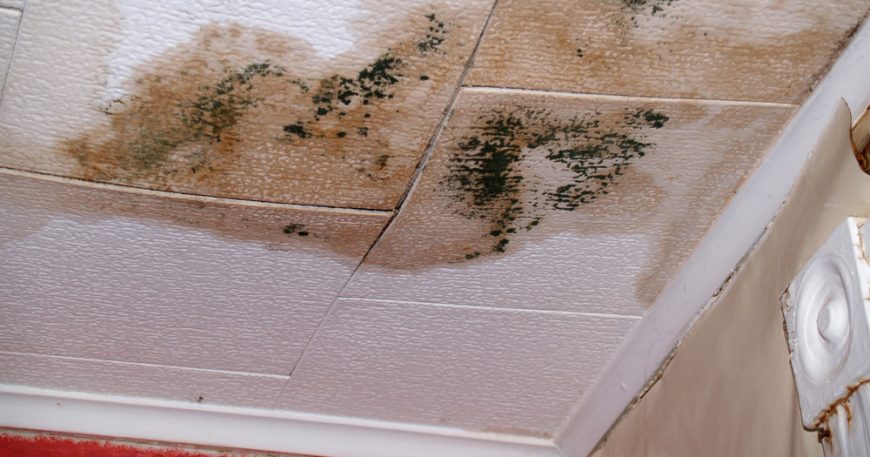
Yellow, brown, or rust-colored stains on your ceiling are a telltale sign that water has infiltrated the material. Even small, faint marks can indicate a slow leak behind the surface.
2. Peeling or Bubbling Paint
Paint that bubbles or peels away from the ceiling surface is often caused by trapped moisture. As water builds up underneath, it pushes the paint outward.
3. Sagging or Warping
A ceiling that appears to be dipping or sagging in one area could be holding water. This is a serious issue and should be inspected immediately.
4. Visible Mold or Mildew
If you see black, green, or gray spots on your ceiling, you may have mold growing due to trapped moisture. Mold spores can affect your respiratory health, especially in children or the elderly.
5. Musty Odor
Even if you don’t see visible signs, a persistent musty smell—especially after rain—could mean water is pooling above the ceiling.
6. Dripping Water or Puddles
If you notice water dripping from your ceiling or pooling on the floor without an obvious source, it’s likely the result of a leak above.
7. Increased Indoor Humidity
If your home feels humid despite good weather, a hidden ceiling leak may be contributing to excess moisture.
Steps to Take if You Suspect Ceiling Water Damage
Step 1: Stop the Source (If You Can)
If you can access your home’s water shutoff or identify the leak source (like a bathroom pipe), turn it off immediately.
Step 2: Document the Damage
Take photos and videos for insurance purposes. This documentation can help if you decide to file a claim.
Step 3: Avoid the Area
A sagging ceiling could collapse. Stay away from the affected room and keep children or pets out.
Step 4: Contact Professionals
This is not the time for DIY patchwork. Contacting a water restoration company ensures the leak is fully diagnosed, dried, and remediated before mold or rot can spread.
Preventing Ceiling Water Damage in the Future
- Regular Roof Inspections – Have your roof checked annually, especially after storms.
- Inspect Pipes and Plumbing – Look under sinks and behind appliances for signs of leaks or corrosion.
- Install Moisture Sensors – These can detect leaks early in areas like attics or basements.
- Ensure Proper Ventilation – Use exhaust fans and dehumidifiers in bathrooms and kitchens.
- Clean Gutters Regularly – Clogged gutters lead to water backing up under roof shingles.
Why Compassionate Restoration Matters
Dealing with water damage can be emotionally overwhelming. At RAMM Water Restoration, we believe that how we treat our clients matters just as much as the work we do. That’s why we approach every job with friendliness, honesty, and a deep understanding of what our clients are going through.
You’re not just calling for water cleanup—you’re calling for peace of mind, for safety, for a partner who will guide you through the process without judgment or pressure.
How we can help
At RAMM Water Restoration, we specialize in compassionate, thorough restoration services that go beyond surface fixes. Whether it’s a small ceiling stain or a full-blown flood situation, we respond quickly and treat your home as if it were our own.
We’re based in San Diego and proudly serve local families with:
- Water damage and ceiling restoration
- Flood response and mitigation
- Mold remediation and prevention
- Detailed moisture inspections
- Insurance documentation assistance
Don’t wait until a minor issue becomes a major headache. Let our team step in and handle the problem with care, professionalism, and the kindness you deserve.
Call RAMM Water Restoration today and get the compassionate help you need—before it gets worse.





Categories
Recent Posts


How to Document Water Damage for Insurance Claims