
Understanding the Difference Between Flood Damage and Water Damage
- December 12, 2025
- byadmin
- Flood Restoration
When homeowners in San Diego experience unexpected water in their homes—whether from a busted pipe or heavy rains—many simply call it "water damage." However, not all water-related destruction is created equal. There's a significant difference between flood damage and water damage, and understanding that difference is critical—not just for your safety and restoration efforts, but also when dealing with insurance companies.
At RAMM Water Restoration, we believe in educating our clients with care and compassion. We've seen firsthand how confusing and overwhelming these situations can be, and our mission is to guide you through the process with clarity, friendliness, and expert service. We'll explain what separates flood damage from water damage, how it impacts your home, and what you should do in either case.
What Is Water Damage?
Water damage refers to damage caused by water originating inside your home or structure. This might be due to:
- A burst pipe
- Leaky appliances (like washing machines or dishwashers)
- Overflowing sinks or tubs
- Roof leaks during rainstorms
- Toilet backups (not caused by external flooding)
In essence, if the water intrusion stems from within your home’s plumbing or structure, it's considered water damage. These events are usually localized, affecting a room or a specific area, and can often be contained or stopped quickly once the source is identified.
Common Effects of Water Damage:
- Mold and mildew growth if not dried properly
- Damage to drywall, ceilings, or insulation
- Warping of wooden floors or furniture
- Electrical hazards in affected areas
What Is Flood Damage?
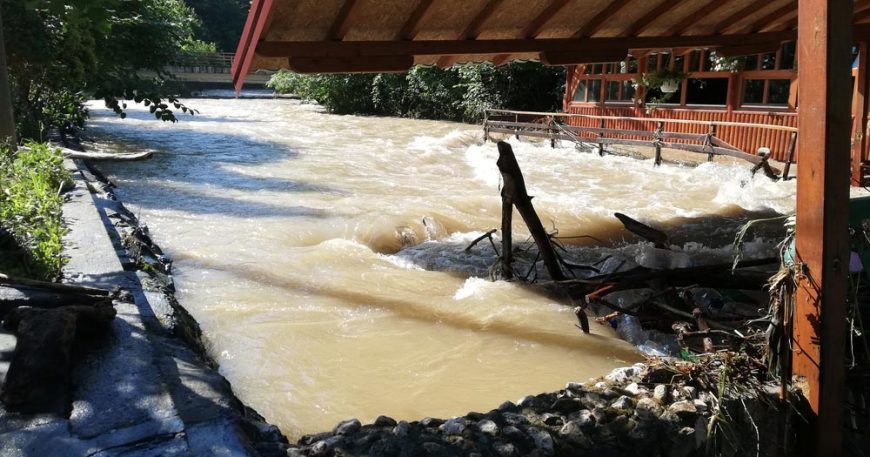
Flood damage, on the other hand, is caused by water from a natural source or rising waters that enter your home from the outside. According to FEMA, flood damage occurs when two or more acres or two or more properties are affected by rising waters.
Examples include:
- Heavy rainstorms causing water to seep through doors and windows
- Overflowing rivers, lakes, or oceans
- Flash floods
- Mudflows and storm surges
- Water entering from overwhelmed storm drains
This type of damage is generally more extensive and can affect entire neighborhoods or buildings. It can also contain contaminants such as bacteria, sewage, or chemicals, making the cleanup process more complex and hazardous.
Common Effects of Flood Damage:
- Widespread contamination of flooring and walls
- Saturation of foundation materials and insulation
- Structural instability
- Higher risk of long-term mold and health hazards
The Insurance Factor: Why the Difference Matters
One of the most important reasons to distinguish between water damage and flood damage is insurance coverage.
- Standard homeowners insurance typically covers water damage caused by internal sources (pipes, appliances, roof leaks).
- Flood damage is not covered under standard homeowners insurance. You’ll need separate flood insurance, usually through the National Flood Insurance Program (NFIP) or a private flood insurer.
Unfortunately, many homeowners don’t realize this until after a disaster hits. That’s why it’s crucial to understand your coverage in advance—and why working with a compassionate, knowledgeable restoration company can make all the difference during an emergency.
Cleanup & Restoration: Different Approaches for Different Damage
Water Damage Restoration
With water damage, restoration typically focuses on:
- Identifying and stopping the water source
- Extracting standing water
- Drying affected areas with dehumidifiers and air movers
- Repairing or replacing damaged drywall, flooring, and materials
- Mold prevention or remediation if moisture lingered too long
Because the water is usually considered “clean” or “gray,” the risk of contamination is often low, but time is still of the essence.
Flood Damage Restoration
Flood damage restoration is more complex because floodwaters are considered “black water” due to potential contaminants. The process may include:
- Removing contaminated materials like carpet, insulation, and drywall
- Sanitizing all affected areas to kill bacteria and mold spores
- Structural drying and moisture monitoring
- Mold remediation and air quality checks
- Coordinating with insurance adjusters and public health agencies
Flood damage demands a higher level of caution and expertise. That’s why you should never attempt to handle it alone—especially if you’re unsure about electrical hazards or contamination levels.
How RAMM Water Restoration Makes a Difference
At RAMM Water Restoration, we don’t just bring equipment and expertise—we bring compassion. We know that dealing with any type of damage to your home is emotional and stressful. Whether your toddler’s playroom is underwater or your elderly parent’s living space is affected, we treat every client like family.
We respond quickly, communicate clearly, and never leave you in the dark. We take the time to walk you through your options, work with your insurance company, and make sure your home is safe and restored—not just patched up.
Our San Diego community trusts us not just for our technical skill, but because we show up with a smile, a listening ear, and a heart for helping.
How we can help
If you’re dealing with any kind of water emergency—whether it’s a busted pipe or a rising flood—RAMM Water Restoration is here to help. We proudly serve the San Diego area with:
- Fast-response water damage restoration
- Flood mitigation and cleanup
- Certified mold remediation services
- Insurance coordination support
- Honest and compassionate customer care
Don’t wait until the damage gets worse or your family’s health is at risk. Let our friendly team handle the hard part—so you can focus on getting back to normal, with peace of mind and a clean, safe home.
Call RAMM Water Restoration today. We’re here to restore your space—and your peace of mind.



Categories
Recent Posts

How to Document Water Damage for Insurance Claims